Recently in Musculoskeletal Disorders Category

Office Workers Also at Serious Risks for Work-Related Injuries in Massachusetts

February 6, 2012

We often talk about the dangers of working in construction and with hazardous materials.
What we rarely discuss are the risks of work-related injuries in Boston ' offices. According to the Centers for Disease Control and Prevention (CDC), employees who work in an office, at a desk or in a cubicle are also at some serious risks for on-the-job injuries and illnesses.
mWka9Sw.jpg
Employers of all kinds are required to make workplace conditions safe for employees. This means that employers are required to keep an eye on chemical hazards, work station and equipment design, environmental exposures, task design, physical environment dangers, psychological factors, etc.


The design of an office can make or break you. Office designs are supposed to allow employees to execute their jobs comfortably. Our Boston workers compensation attorneys stress the importance of proper ergonomic design. This design is used to make sure that employees aren't working in odd postures, sitting or standing for too long, having to over-reach themselves and are making sure that repetitive work isn't harming an employee's health. Sometimes, changing an employee's furniture or equipment can solve this problem and help an employee to work more comfortably. When posture is off for long stretches of time, musculoskeletal disorders and other problems can arise.

Employees can also be faced with risks for on-the-job injuries because of job stresses, design-related hazards, environmental dangers, open drawers, exposed electrical cords, repetition, job speed, job duration, chemical exposures, etc. It is important to make sure that the requirements of your job meet your capabilities. Overworking employees can often result in worker injuries and illnesses.

The nature of work is changing - and quickly. Now more than ever, on-the-job stress poses serious risks to workers' health and to the viability of companies nationwide. The National Institute for Occupational Health and Safety (NIOSH) has studied these factors and concluded that about a quarter of all employees see their job as the No. 1 cause of stress in their lives. About 75 percent of all workers say they have more at-work stress now than they did a generation ago.

We're not saying a job is supposed to be a walk in the park. We're just saying that we understand that job-related stress is becoming a growing source of physical and emotional health issues for many Americans. It's not just an excuse for being lazy. The term "job stress" is defined as a harmful emotional or physical response that can happen when job requirements exceed the resources, capabilities or needs of the employees. This kind of stress can lead to poor health and even on-the-job injury.

Employers are asked to keep an eye on the health and the job production of employees. We realize that, with the current economy, employers are trying to squeeze as much as they can out of each employee, but there's a stopping point. Under no circumstance should an employee jeopardize their health for the completion of a job. Employers, please provide a safe and reasonable atmosphere for your workers.

Continue reading "Office Workers Also at Serious Risks for Work-Related Injuries in Massachusetts" »

OSHA Looks at Musculoskeletal Disorder in Work Injury in Boston, elsewhere

May 18, 2011

OSHA is revising itsOccupational Injury and Illness Recording and Reporting Requirements regulation. The Federal Register recently published a notice of the reopening.
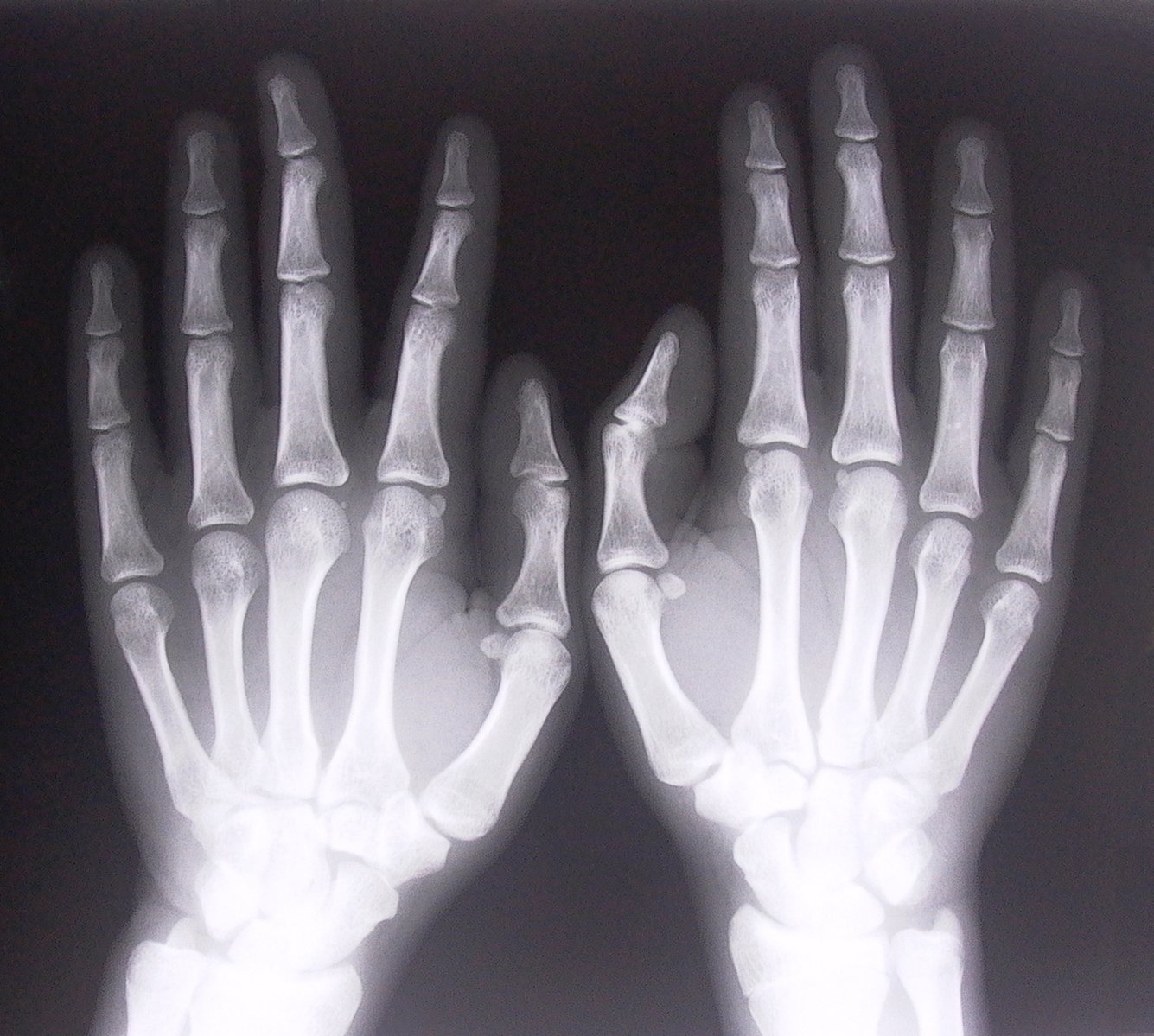
1187803_skeleton_1.jpg
The Administration is reopening the record in an attempt to call on interested individuals to submit comment on the small business teleconferences that the Small Business Administration's Office of Advocacy OSHA co-sponsored last month. They're also asking that individuals submit comment on the issues raised during those teleconferences. OSHA held those teleconferences to collect feedback from small business representatives regarding their experience with recording work-related musculoskeletal disorders in Boston and elsewhere in the United States. They would like to know how these representatives believe they would be directly impacted by the proposed rule. The public was invited to submit comments as well.

Our Boston workers' compensation attorneys understand that musculoskeletal disorders can oftentimes occur in the workplace as they're caused by spending long periods of time in the same position, poor posture and repetitive movements. These disorders affect the full length of the spine. These conditions cause serious pain, discomfort and sometimes a loss of productivity on the job. They can oftentimes go unreported as well, meaning that employees may not receive the proper treatment or compensation from employers.

Earlier this year, OSHA proposed a revision to its Occupational Injury and Illness Recording and Reporting Requirements regulation in an attempt to allow employers to check if a work related incident that was previous recorded under the current rules is a musculoskeletal disorder.

This proposed rule does not look to change any of the existing record-keeping requirements regarding when and under what circumstances an employer must record a work-related injury or illness. It would only seek to require that an employer would now mark the musculoskeletal disorder column box on the log if the case that has already been recorded meets the requirements to be classified as a musculoskeletal disorder.

"OSHA is eager to hear from the public on this, and every, proposed rule," said Assistant Secretary of Labor for Occupational Safety and Health Dr. David Michaels. "The more feedback the agency receives from small businesses on this topic, the better informed we will be in crafting a proposed regulation that protects workers without overburdening employers."

Injuries can be recorded if they meet a number of criteria, including days away from work and medical treatment beyond first aid or restricted work performance. The new rule would help to specifically define a musculoskeletal disorder, for record-keeping purposes only, as a disorder of the muscles, nerves, tendons, ligaments, joints, cartilage or spinal discs.

More than 1.5 million recordable musculoskeletal disorder incidents are expected to happen annually and the yearly costs of the proposed rule would be more than $1.5 million, according to OSHA.

Continue reading "OSHA Looks at Musculoskeletal Disorder in Work Injury in Boston, elsewhere" »